joweria5's pick · Updated July 2026
Rich Dad Poor Dad: What the Rich Teach Their Kids About Money That
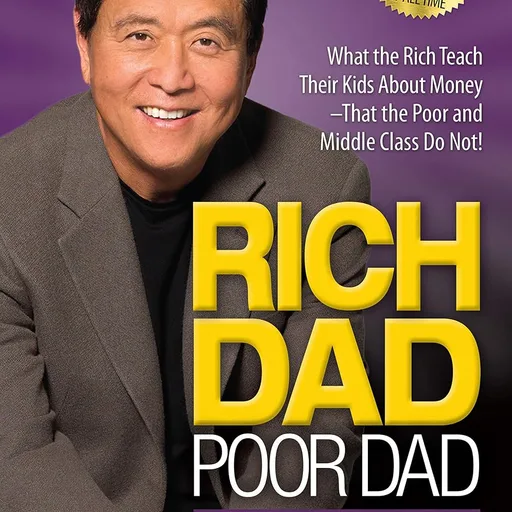

Rich Dad Poor Dad may suit readers who want a simple, idea-driven introduction to thinking about money, assets, liabilities, and the habits that shape financial decisions. It is often considered by people who feel stuck in a paycheck-to-paycheck cycle, are trying to get more intentional about saving and investing, or want a more conversational entry point than a standard personal finance book. The appeal is not just in the topic, but in the way it is framed as a challenge to common assumptions about work, school, and wealth.
The book is also worth considering if a reader wants a fast-moving, opinionated perspective rather than a technical guide. Its biggest draw is that it tries to make money concepts feel accessible. That can be helpful for someone who is just starting to learn the language of cash flow and long-term asset building. For a reader who wants broad financial literacy, the book can work as a starting point that sparks better questions and more research.
One important thing to verify is how well its advice fits the reader's goals and situation. The book is often discussed as motivational reading, but motivation is not the same thing as a complete financial plan. Readers may want to compare its ideas with more current personal finance resources, especially around budgeting, debt, taxes, retirement accounts, and the practical realities of building wealth in different income brackets. The main tradeoff is that a strong point of view can be memorable even when it leaves out detail.
The evidence posture here should stay cautious. Without explicit usage notes, there is no basis for claiming lived results, personal application, or a direct outcome from the book. What can be said is that the title and premise point toward a philosophy-first approach to money, and that alone may be useful for some readers while feeling too broad for others. Anyone considering it should look at whether they want inspiration, a beginner-friendly mindset shift, or a more structured financial handbook.
Overall, this may fit readers who want an approachable discussion about money habits and are comfortable sorting advice through their own judgment. It may be a good first book for someone building financial vocabulary, but it is best treated as one voice among several rather than the final word on personal finance.
Amazon product links on this guide are not currently affiliate links. Neither joweria5 nor Buyer Field Guide earns an affiliate commission from them.
See current price